Unlike any other genre, jazz dominated the entire 20th century, influencing the development of new music genres. Its elements can be found in many types of contemporary music and subcultures.
Jazz is a phenomenon through which former slaves in the southern United States peacefully gained the upper hand over white Americans and implanted in them a love for Black Culture, fighting against discrimination and for their place in society after the Civil War. It is also a worldwide phenomenon that has spread joy and dance across the globe.
Although jazz reached its golden age in the 1920s and 1930s, its origins lie in previous centuries. Its origins can be traced back to the era of slavery in America. Jazz was born in the community of black slaves from Africa who were brought to the cotton plantations with their folk music and instruments. Rhythmic singing accompanied them during their work and prayer, and was part of the emerging black community and its traditions.
The American South, particularly New Orleans, was the cradle of jazz. Brass bands were already popular there in the 1890s. Black and white brass bands played on the streets on various occasions. At that time, which is now known as the era of archaic jazz, the term “jazz” did not yet exist. The word “jazz” was first officially used in the American press in 1913. The first jazz performers played Creole music and blues with strong European elements. Soon afterwards, swing and ragtime also followed. The popular entertainment district of Storyville in New Orleans was famous for its clubs, which hosted regular performances by jazz bands and individual musicians.
From there, jazz spread northwards across the country, carried by black workers who emigrated en masse in search of work. The growing urban centres in the northern United States offered jobs and an escape from discrimination. Following the closure of Storyville in 1915 due to the numerous criminal excesses that had taken place there, the jazz scene in New Orleans and the Mississippi River basin relocated to New York, Chicago, Detroit, Pennsylvania and other American cities. In Chicago, jazz musicians from New Orleans found their place in the neighbourhood of the South Side, which was notorious for its gangs and illegal bars. In New York, black Harlem became the capital of jazz.
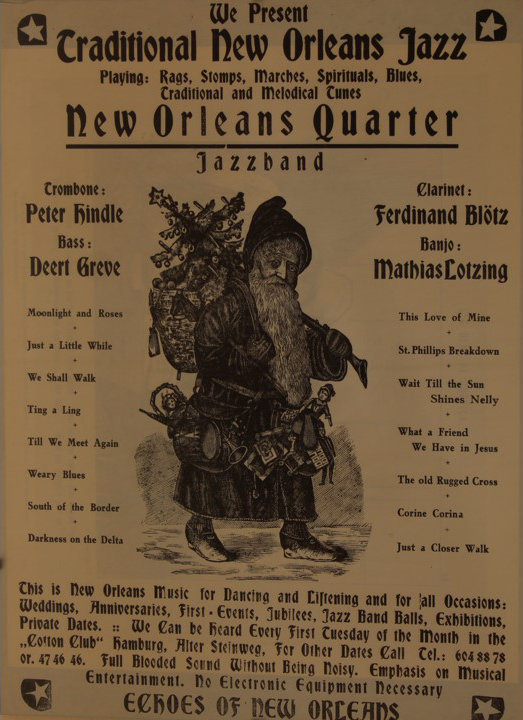
Jazz-themed posters.
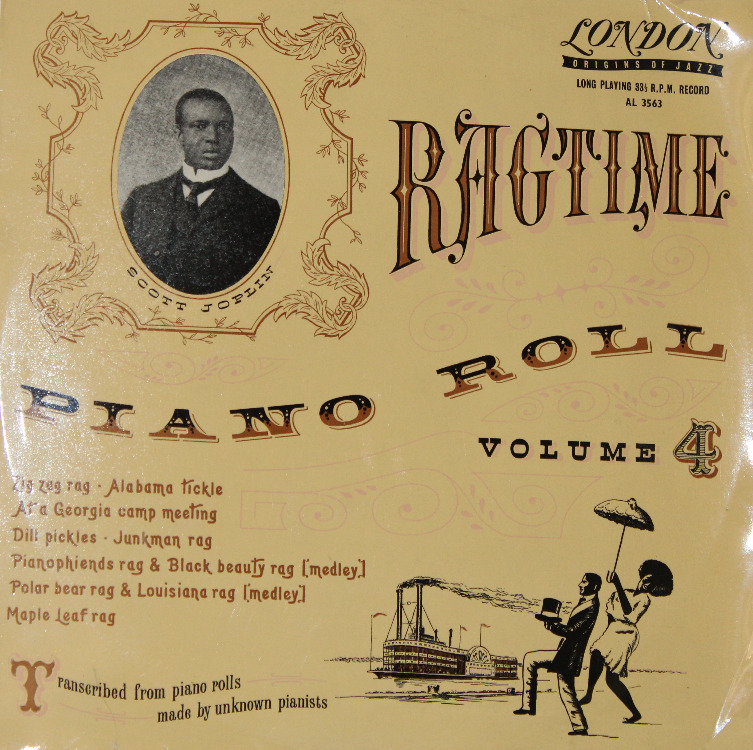
Cover with a selection of Ragtime tracks from the contemporary series London Origins of Jazz,
A ‘Riverside’ record, produced by Bill Grauer, Jr., and Orrin Keepnews
(Joanna Weber’s collection)
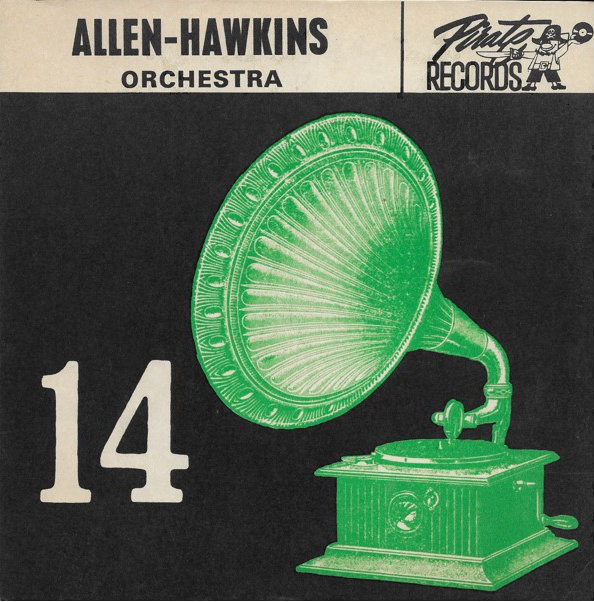
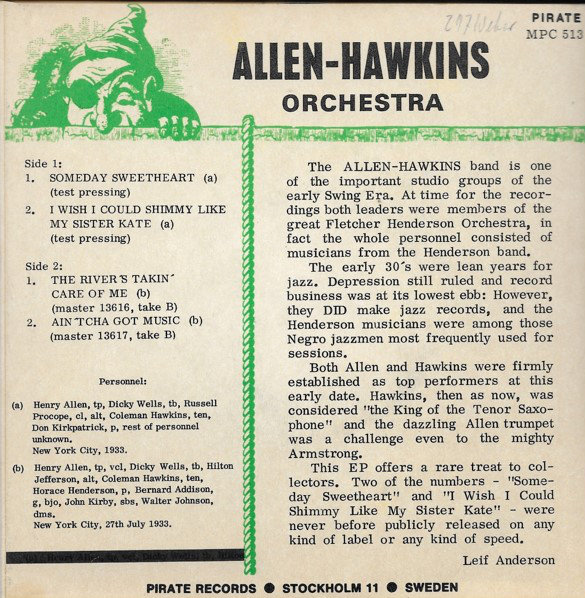
Pirate edition of Allen-Hawkins Orchestra recordings from the early jazz era.
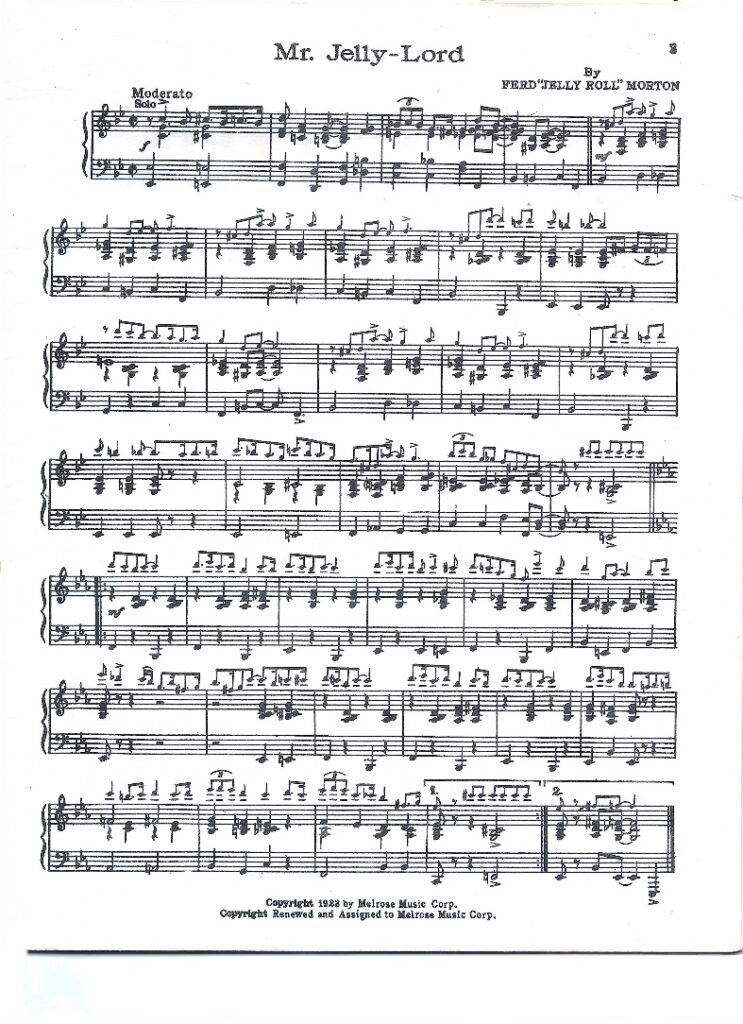
Sheet music for the jazz piece ‘Mr. Jelly-Lord’ from the collection Dixieland. 14 Dixieland instrumental pieces. Special American arrangements. Piano accompaniment.
Herman Darewski Music Publishing CO. New York. Melrose Music Corp. Herman Darewski Music
About
The exhibition The sound of the 20th century – Jazz music on the old shellac recordspresents 1,250 jazz titles from America and Europe on original shellac records from Joanna Weber’s collection. During the exhibition, you can listen to tracks by artists such as Louis Armstrong, Duke Ellington, Jan Garber, Jack Shilkret, Benny Goodman, Paul Whiteman, Thomas Morris, Lou Handman, George Southwell, Kerry Mills, Charles Johnson, The Wolverines, Hoagy Carmichael’s Collegians, Husk O’Hare’s Super Orchestra of Chicago, Vinny’s Dixieland Band, The Red Onion Jazz Babies and many more.
The title of the exhibition refers to the catalogue of the 1988 exhibition in Darmstadt, ‘That’s Jazz. Der Sound des 20. Jahrhunderts’ (That’s Jazz. The Sound of the 20th Century).1
Listen to unique original recordings from old shellac discs:
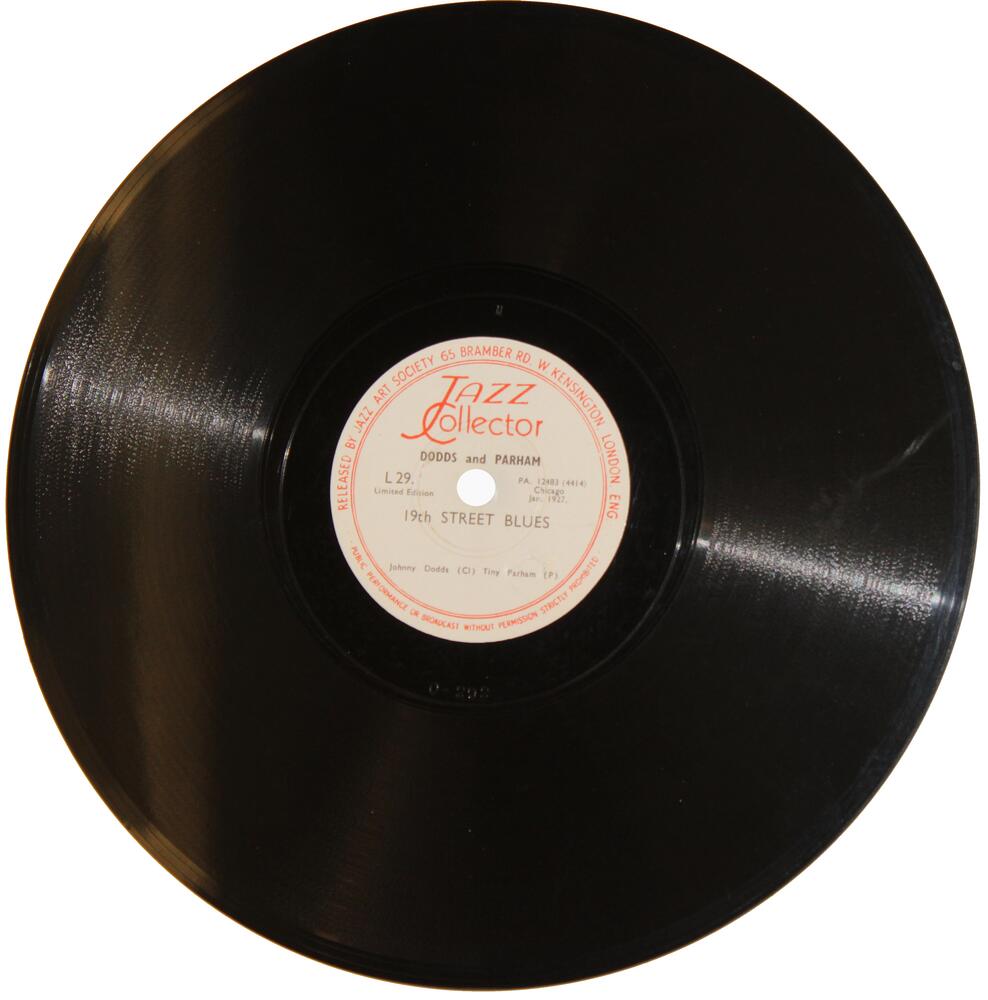
19th Street Blues DODDS and PARHAM Johnny Dodds (Cl) Tiny Parham (P)
PA. 12483 (4414) Chicago Jan. 1927.
L29. Limited Edition Jazz Collector Released by Jazz Art Society 65 Bramber RD. W. Kensington. London. ENG. Public Performance or Broadcast without permission strictly prohibited.
LOVELESS LOVE (W. C. Handy) DODDS and PARHAM Johnny Dodds (Cl) Tiny Parham (P)
PA. 12483 (4413) Chicago Jan. 1927.
L29. Limited Edition Jazz Collector Released by Jazz Art Society 65 Bramber RD. W. Kensington. London. ENG. Public Performance or Broadcast without permission strictly prohibited.
Let That Be A Lesson To You Louis Armstrong and his Orchestra with Vocal chorus
A 81520 A Brunswick Rechte der Radiosendung und öffentl. Aufführung vorbehalten
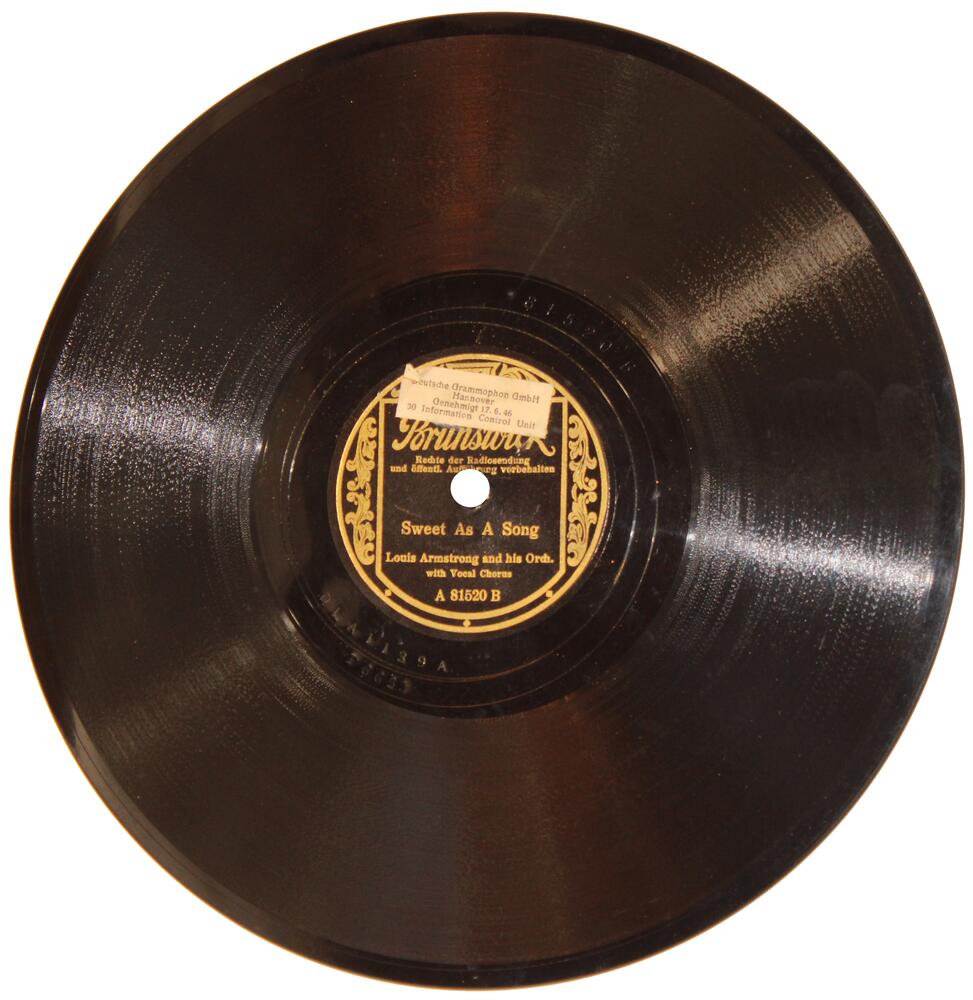
Sweet As A Song Louis Armstrong and his Orch. with Vocal Chorus
A 81520 B Brunswick Rechte der Radiosendung und öffentl. Aufführung vorbehalten
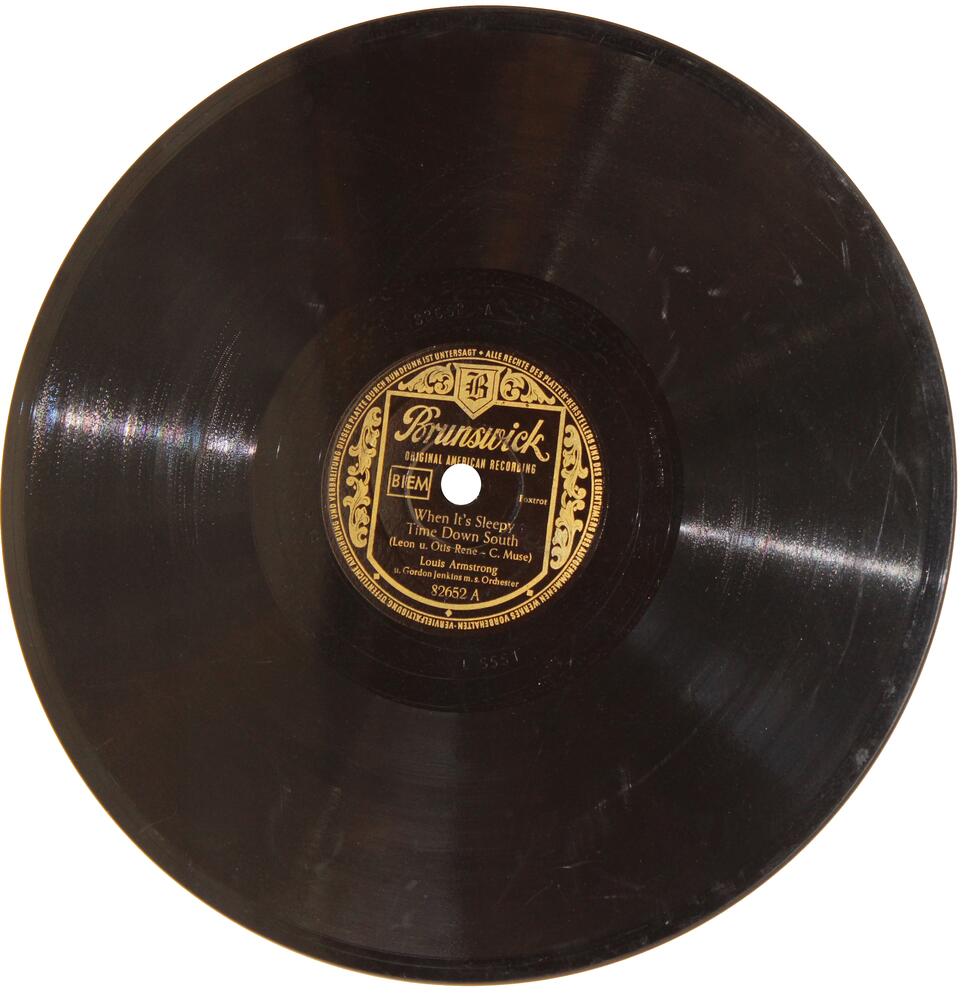
When It’s Sleepy Time Down South (Leon u. Otis Rene – C. Muse) Louis Armstrong u. Gordon Jenkins m.s. Orchester
82652 A BIEM Foxtrot Brunswick Original American Recording Made in Germany
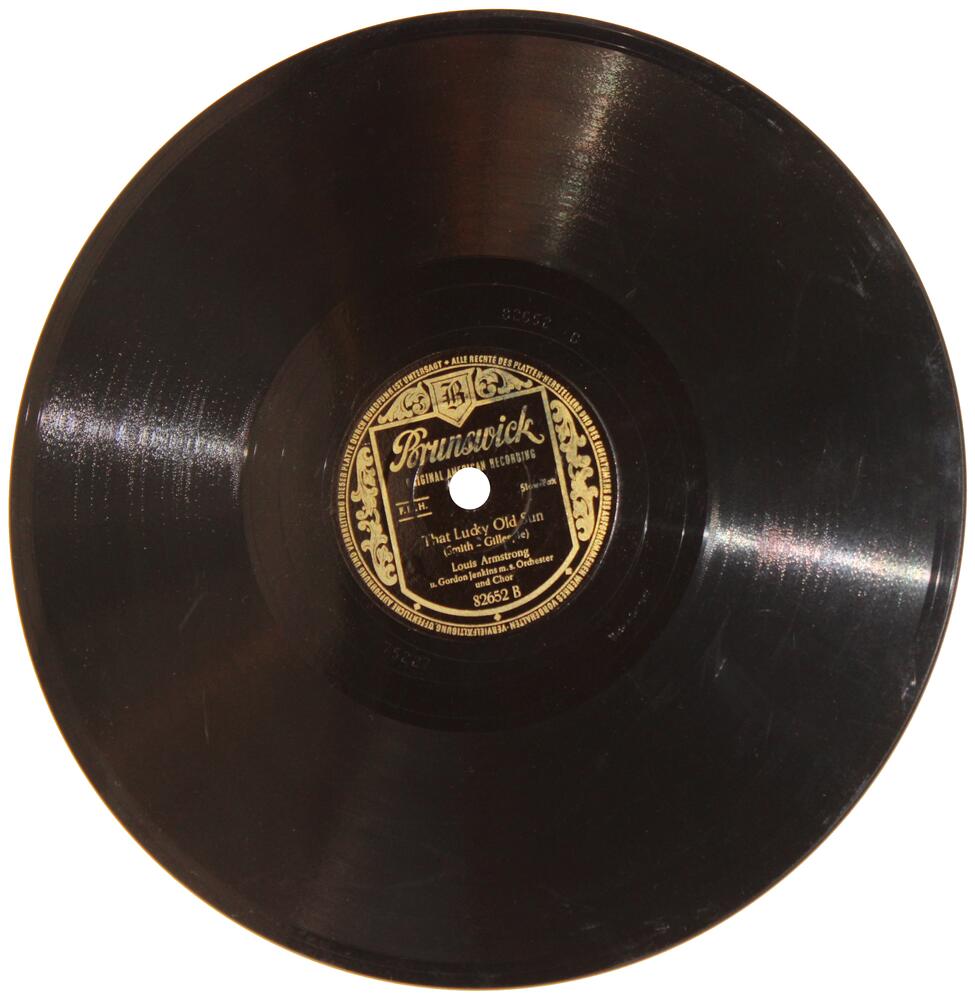
That Lucky Old Sun (Smith-Gillespie) Louis Armstrong u. Gordon Jenkins m.s. Orchester
82652 B F.D.H. SlowFox Brunswick Original American Recording Made in Germany
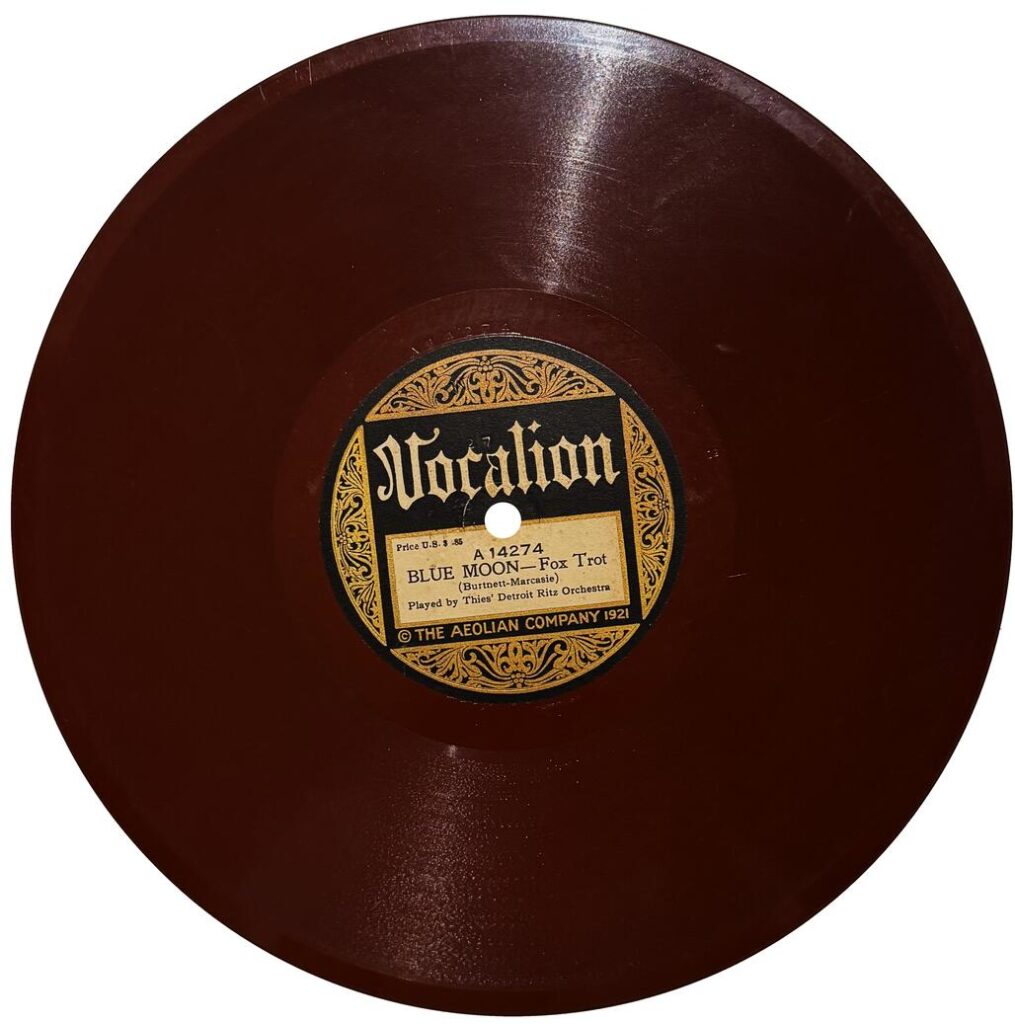
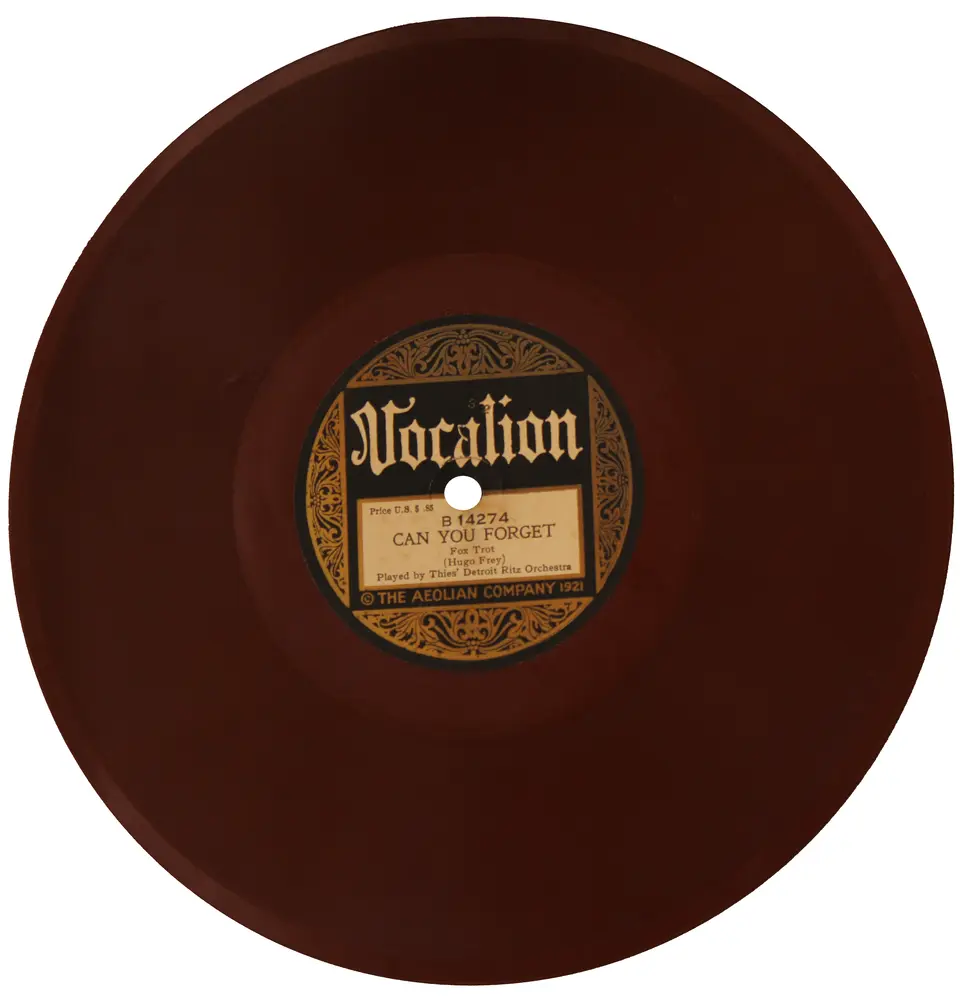
Blue Moon – Fox Trot (Burtnett-Marcasie) Played by Thie’s Detroit Ritz Orchestra
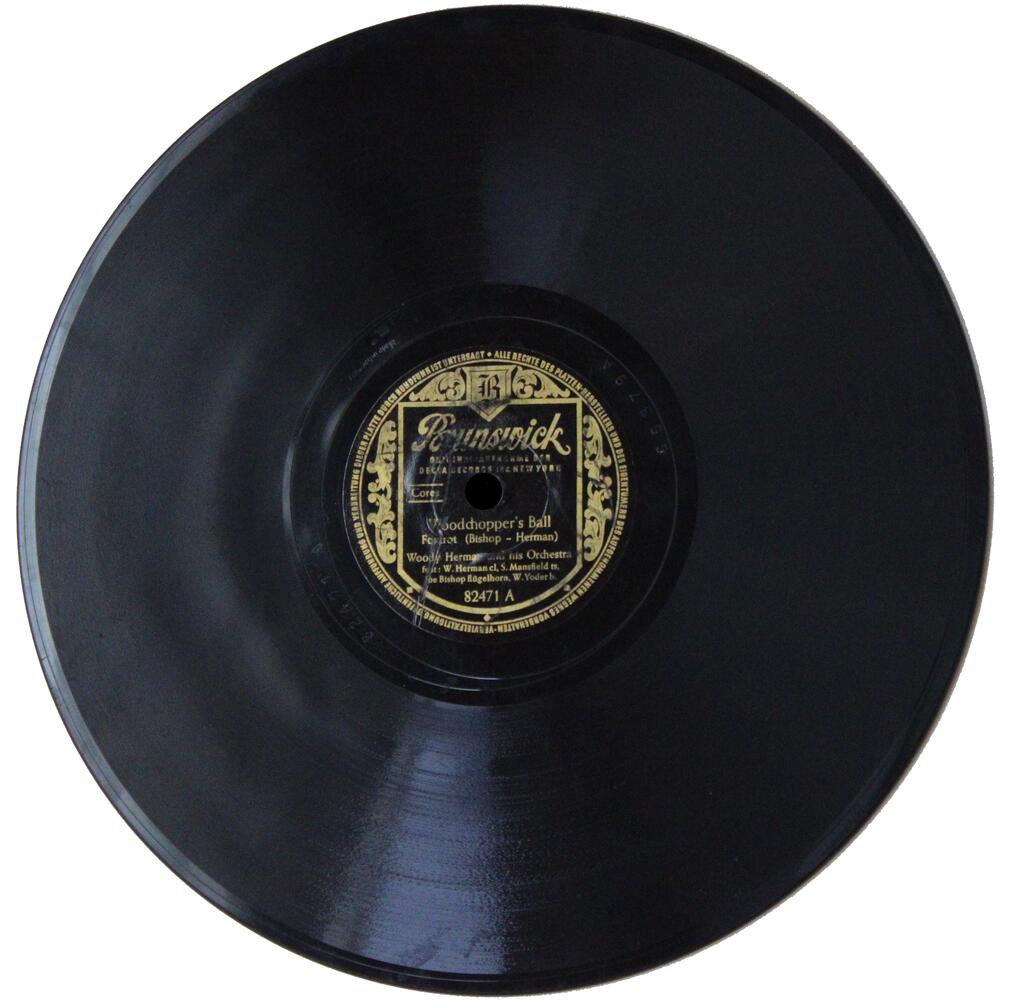
Woodchopper’s Ball Foxtrot (Bishop-Herman) Woody Herman and his Orchestra feat: W. Herman cl, S. Mansfield ts, Joe Bishop flugelhorn, W. Yoder b.
82471 A
Brunswick Original-Aufnahme der Decca Records Inc. New York Cores Made in Germany
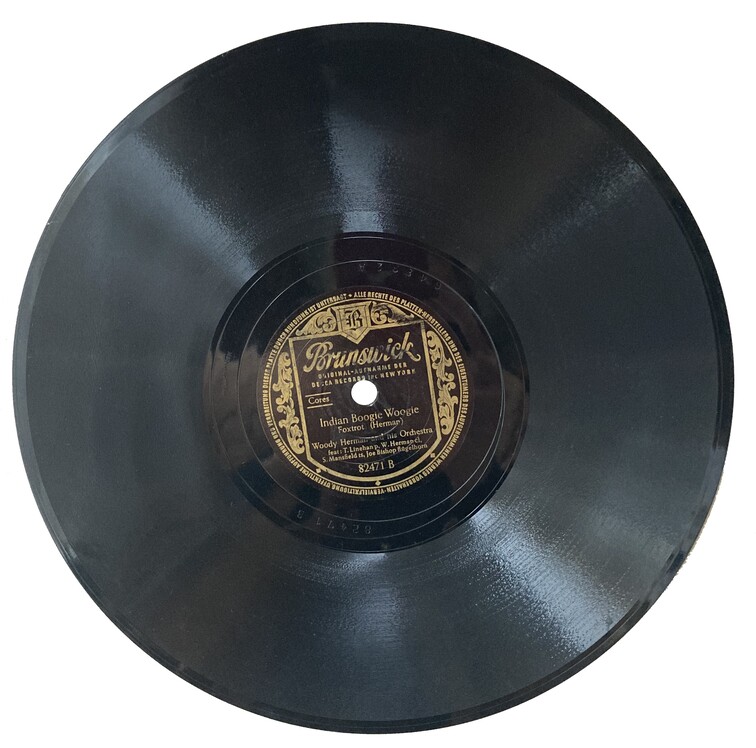
Indian Boogie Woogie Foxtrot (Herman) Woody Herman and his Orchestra feat: T. Linehan p, W. Herman cl, S. Mansfield ts, Joe Bishop flugelhorn
82471 B
Brunswick Original-Aufnahme der Decca Records Inc. New York Cores Made in Germany
[1] That’s Jazz. Der Sound des 20. Jahrunderts. Eine Musik-, Personen-, Kultur-, Sozial- und Mediengeschichte des Jazz von den Anfängen bis zur Gegenwart. Ein Katalog der Ausstellung des Instituts Mathildenhöhe der Stadt Darmstadt. Herausgegeben von Klaus Wolbert. Darmstadt 1988.